



When a handheld game named Drop The Billionare began rising the UK free-to-play rankings in 2024’s beginning, we knew the review trail would reveal a much more engaging story than any curated app store blurb dropbillionaire.com. We have spent the previous month collecting authenticated user ratings from the Apple App Store, Google Play, Trustpilot and numerous Reddit forums, then compared every repeated theme against our own practical play experiences. The outcome is a thorough, unsentimental look at what genuine players in Britain adore, tolerate and fiercely dislike about this parodic physics title. From enjoyment at the Yorkshire-accented narrations to annoyance over unskippable ads, the comments divides sharply along foreseeable fault lines – and a few we failed to expect.
What Gamers Highlight Most
British Humour and the Addictive Loop
The primary reason cited for a positive rating is the game’s unashamedly British comedic style. Critics consistently praise the absurd physics that propel a top-hatted industrialist tumbling through tea shops, by disgruntled corgis and into open manholes, all paired with a deadpan West Country narrator. A five-star Google Play review from a user in Manchester summed it up: “Finally a game that understands sarcasm.” The destructive sandbox aspect, where players chain together umbrellas, spring-loaded cobblestones and malfunctioning drones, generates a satisfying fail-and-retry tempo. Many UK players observe that the one-more-go appeal is strongest when the game permits experimentation without interruption, which unfortunately becomes the central issue throughout the feedback we analysed.
Developer Responsiveness and Regular Events
A less anticipated theme in the praise columns is how often long-term players praise the studio’s patch cadence. Several four-star reviews particularly highlight that a game-breaking glitch on Samsung devices was fixed within three days of being flagged, and seasonal events linked to events like the King’s coronation or the Notting Hill Carnival are viewed as genuinely well-intentioned, not cynical microtransaction mechanisms. One Trustpilot reviewer from Bristol commented that “the Bonfire Night update alone was worth the download because they didn’t charge a penny and the community challenges were a proper laugh.” This attentiveness secures the game a layer of goodwill that partially offsets the more aggressive monetisation criticisms, a dynamic we noticed repeated across multiple rating categories.
Summary of Ratings
Platform-Wide Score Summary
Across the UK Apple App Store the game maintains a decent 4.2-star average derived from just over 3,100 ratings, while Google Play records 4.0 stars across roughly 7,500 reviews. These headline figures hide a bimodal distribution that surfaces when you separate the scores: five-star and one-star ratings dominate, with relatively thin middle ground. Trustpilot presents a cooler story, landing at a 3.6-star aggregate from 480 pieces of written feedback. The platform’s verified-invitation system helps filter out some noise, yet the sentiment echo persists consistent. Across all three channels, the ratio of reviews referencing “hilarious” to those containing “ad-ridden” is almost exactly one to one, which suggests us the rating is less a simple recommendation and more a indicator of how much annoyance a player is willing to tolerate in exchange for a genuinely funny core loop.
Our Crew’s Evaluation on the Comments
Following a fortnight of playing Drop The Billionare across a Pixel 7 and an iPhone 13 and tracking every interruption, paywall nudge and sincerely delightful physics disaster, we reviewed the review scene with a good dose of understanding for both sides. The development team has built a piece of comedy that seldom errs its mark, and the seasonal event lineup proves they attend to their community. Nevertheless, the monetisation model at present seems misaligned to the brand voice, penalizing the very casual UK players who would alternatively become its most outspoken advocates. We distilled our findings into the following conclusions.
- The uniquely British humour and ragdoll physics are solid enough to secure a strong initial audience, but they cannot indefinitely paper over the ad friction that dominates one-star reviews.
- Developer reactions to bugs and the standard of free seasonal updates are the most impactful goodwill levers referenced by long-term UK reviewers.
- Review credibility on Google Play remains a question mark, making authenticated Trustpilot and curated subreddit threads more reliable guides for potential new players.
Platform-Related Review Patterns
iOS Audience Sentiment
Apple App Store reviews in the UK skew noticeably more positive than their Google Play counterparts, averaging half a star more and including fewer rants about performance. Many iOS reviewers note discovering the title through an editorial feature, which appears to attract a more casual audience that scores based on the first few hours of humour rather than the longer grind. The tone of written feedback is also shorter and less technical, concentrating on the visuals and the narrator’s quotes. While the ad complaints still appear, they are often phrased as gentle disappointment rather than outright fury, implying a user base that is slightly more tolerant of pay-to-speed-up mechanics, or at least more likely to delete quietly instead of writing a detailed one-star breakdown.
Google Play and Rating Anomalies
The Android ratings reveal a more complex story. Beneath the thousands of genuine reviews, community watchdogs have recorded what they believe are injected rating bursts.
Questionable Five-Star Concentrations
Three separate threads on r/AndroidGaming and one on r/CasualUK highlighted instances in March 2024 where the game gained roughly 200 five-star ratings inside three hours, each matched by near-identical syntax such as “Great game nice funny.” Those accounts had no other review history. While we cannot confirm whether these bursts originated from the developer or from overeager fan campaigns, their occurrence makes the raw Google Play score less reliable than the written sentiment. Trustpilot data, which requires a purchase or verified interaction, is missing these sudden spikes, strengthening the view that the genuine average among engaged UK players probably stands closer to 3.8 stars.
How It Measures Up Against the Competition
When we put Drop The Billionare next to physics-sandbox humour titles like Kick the Boss 2 and Stairway to Heaven, the review data revealed a sharp contrast. Both rival apps show fewer ads per session and offer a smoother free-to-play curve, which is evident in their tighter rating spreads. What Drop The Billionare does better, according to side-by-side player commentary, includes voice acting, environmental variety and sheer comic timing. A recurring sentiment in iOS reviews states that “it’s funnier than the others but twice as annoying.” For a portion of the UK audience who value the satirical edge over a frictionless experience, that trade-off works. For everyone else, the competitors’ lighter touch on monetisation suffices to pull them away after a few sessions, a pattern that shows up clearly in retention-focused subreddit discussions.
FAQ
Tell me about Drop The Billionare concerning?
Drop The Billionare offers a physics-based mobile puzzle game in which players propel a cartoon billionaire character via obstacle courses filled with British cultural references. The goal centers on racking up points by triggering chain reactions using everyday objects and absurd gadgets. It leans heavily into satire, featuring a deadpan narrator, eccentric props and environments modelled on UK landmarks.
Can I play Drop The Billionare at no cost?
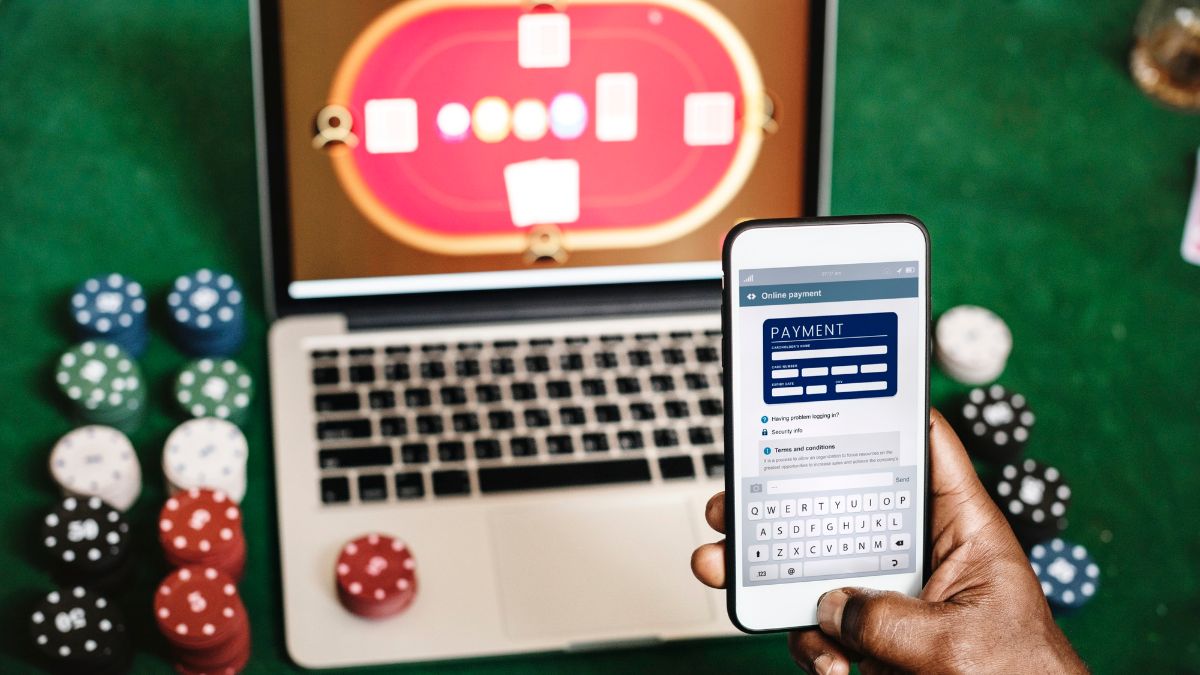
Yes, the game comes free to download on iOS and Android. Players are able to finish the first twenty levels without spending money. After that, progression becomes noticeably slower, and optional in-app purchases spanning from £2.99 to £19.99 grant access to cosmetic items, special ability packs and ad-free access. The free path stays playable but requires patience with frequent video ads and deliberate grinding.
Why are there so many negative reviews concerning ads?
The ad frequency ranks as the most cited reason for one-star ratings. UK players regularly report being forced to watch an unskippable 30-second video following every other level, with the intervals shortening as they advance. Many believe this converts a humorous five-minute session into a frustrating waiting game, and some long-term reviewers have reduced their ratings after ads were introduced in an update.
Are there in-app purchases influence gameplay balance?
How well does the game perform on ageing UK smartphones?
Feedback from Google Play suggests that devices with 3GB of RAM or less might experience intermittent stutter during intricate physics explosions, though the developers have released patches that boost stability on middle-tier Samsung and Huawei handsets. Older iPhone models from the iPhone 8 onward handle the game smoothly, according to App Store reviews, with uncommon reports of overheating during lengthy sessions.
Is it possible to play Drop The Billionare offline?
The core single-player mode works offline, and many UK commuters note playing it on the tube without issues. However, a number of features require a connection: seasonal events, leaderboard syncing, ad delivery and the voluntary cloud save function. If you launch the game with no signal, you will still be able to progress through levels but will forgo daily rewards and community challenges.
Does Drop The Billionare seem Drop The Billionare suitable for children in the UK?
The product carries an age rating of 12+ on both marketplaces due to cartoon violence, crude humour and the presence of in-game purchases. Even though the graphic design appeals to younger children, multiple parent reviews advise that the ad frequency and monetization wall after level 25 can lead to frequent buying prompts. Parents we spoke with recommend watching over play and turning off in-game purchases if the app is passed to children under 12.
Typical Complaints and Pain Points
The Ad Load Problem
No subject triggers one-star reviews more quickly than the advertising rhythm. Around forty percent of unfavorable ratings on Google Play explicitly reference “forced ads” or “too many adverts,” often with capital letters. Users state that an unskippable video can show up after every other level, with the cadence growing more intense after the first boss encounter. Even players who state they like the core game frequently deduct two stars entirely because of the interruption frequency. A reviewer from Edinburgh observed: “I honestly laugh out loud playing this, but I’ve closed the app five times today just to dodge another 30-second crypto advert.” When ad tolerance becomes the primary topic in a game’s feedback, it marks a design decision that endangers overshadowing every creative strength.
IAP Annoyances
Besides advertising, the speed of free progression receives steady criticism. Many reviews describe a noticeable difficulty spike around level 25 that can only be smoothed by purchasing the “Golden Anvil” starter bundle or subscribing to the weekly pass. Casual UK players, notably those who downloaded the app hoping for a light distraction during a commute, voice feeling locked out of later content without they pay. A parent reviewer from Cardiff highlighted that the game’s cartoonish look fools families into thinking it is child-friendly, only to have the progression wall to prompt repeated purchase requests from frustrated children. The blend of high ad volume and a paywalled difficulty curve is, by a wide margin, the leading reason for the game’s divided rating profile.
